
Techniques
DHI Hair Transplant Explained: How It Works and Who It Suits
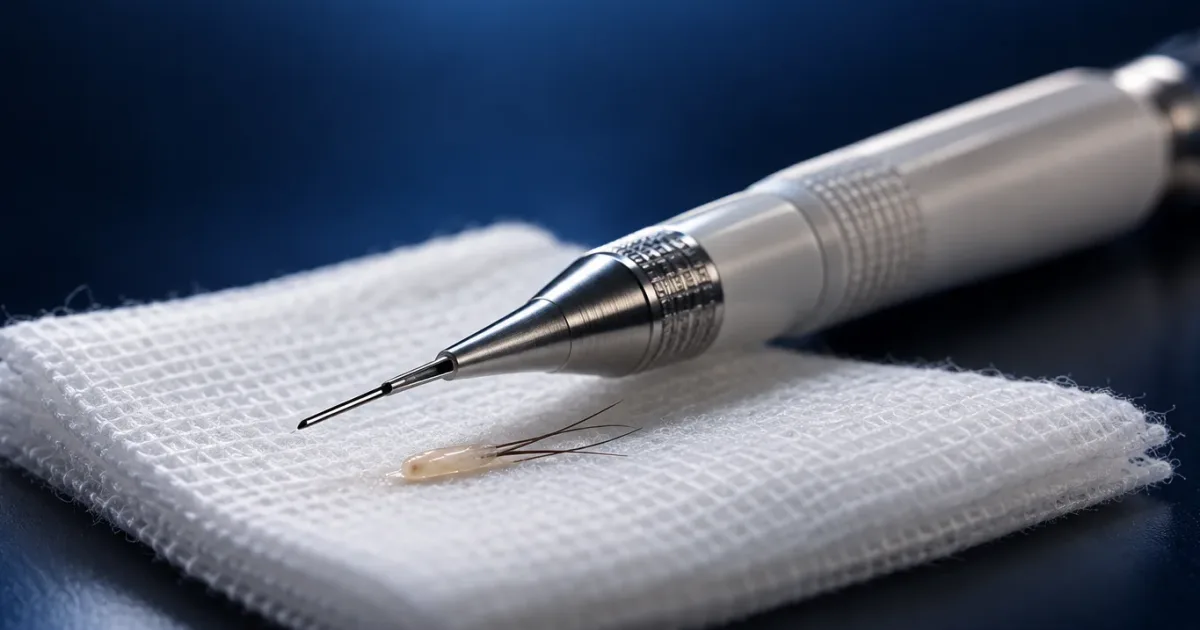
DHI (Direct Hair Implantation) places each graft with a pen-shaped implanter that opens the site and implants the hair in one movement. Here is how it works, where it helps, where it has limits and how to decide if it suits you.
DHI is one of the most searched hair transplant techniques, and also one of the most misunderstood. It is often marketed as a completely different operation. In reality, DHI is a specific way of placing grafts into the scalp. Understanding that difference helps you ask better questions and choose a plan for the right reasons.
The short answer
DHI (Direct Hair Implantation) is a hair transplant method in which each graft is loaded into a fine, pen-shaped instrument called an implanter and placed directly into the scalp. The implanter creates the opening and implants the graft in a single movement. This gives the team close control over the angle, direction and depth of every hair, which matters most for natural hairlines and for implanting between existing hair.
How DHI works, step by step
1. Assessment and hairline design
Your doctor examines your hair loss pattern and donor area, discusses your goals and draws the planned hairline. The number of grafts is estimated from the size of the area, the density you want and what your donor area can safely provide.
2. Graft extraction
Under local anaesthesia, follicular units are removed one by one from the donor area, usually the back and sides of the head, using a very fine punch. Each unit naturally contains one to four hairs. The grafts are sorted and kept in a cooled storage solution.
3. Loading the implanters
Grafts are loaded into implanter pens. Several pens are usually used in rotation so that implantation can continue steadily.
4. Direct implantation
The implanter is pressed into the scalp at the planned angle and depth, and the graft is released as the pen is withdrawn. Single-hair grafts are generally placed at the front of the hairline for a soft, natural edge, with multi-hair grafts placed behind them for density.
DHI compared with channel implantation
In many hair transplants, small channels (slits) are first opened across the recipient area, and grafts are then placed into those channels with fine forceps. DHI combines both steps. Neither approach is better for every patient. The table below shows the practical differences.
| Aspect | DHI (implanter pen) | Channel implantation |
|---|---|---|
| Opening and implanting | One movement, graft by graft | Channels opened first, grafts placed afterwards |
| Control of angle and depth | Set individually for each graft | Set when the channels are opened |
| Implanting between existing hair | Well suited, often without shaving the recipient area | Possible, usually easier with the area shaved |
| Typical session pace | Slower and more detailed | Often faster for large areas |
| Often chosen for | Hairlines, density work, smaller to medium areas | Large areas needing high graft numbers |
Who DHI often suits
DHI is frequently recommended for patients who want a refined hairline, who still have hair in the area being treated, or who want to add density without fully shaving. It can also suit eyebrow and beard work, where the angle of each hair is especially important. The final recommendation should come from your doctor after an assessment, not from the name of the technique.
When another approach may be better
If a very large bald area needs a high number of grafts in one session, your doctor may suggest a different implantation approach or a plan across two sessions. If your hair loss is still progressing quickly, medical treatment may be discussed first, so that transplanted hair is not left isolated as surrounding hair thins.
Recovery after DHI
Recovery is similar to other modern hair transplants. Small crusts form around the grafts and usually fall away within 7 to 10 days with gentle washing. Some swelling of the forehead is common in the first days. Between weeks 2 and 6, most transplanted hairs shed. This is expected. New growth usually starts at around 3 to 4 months, and the final result is generally visible after 12 to 18 months. Our guide to recovery explains each stage in detail.
Questions to ask your clinic about DHI
- Why do you recommend DHI for my hair and my goals?
- Who designs my hairline, and who performs extraction and implantation?
- How many grafts do you plan, and how much donor reserve will I keep?
- Will the recipient area need to be shaved?
- How will you follow my progress over the next 12 months?
Frequently asked questions
Is DHI a different operation from other hair transplants?
Not fundamentally. Every modern follicular unit transplant involves extracting grafts and implanting them. DHI describes how the grafts are implanted, using an implanter pen.
Is DHI painful?
The procedure is performed under local anaesthesia. Most patients feel the anaesthetic injections at the start and then pressure rather than pain. Mild discomfort in the first nights is usually managed with simple pain relief.
Can DHI be done without shaving?
In suitable cases the recipient area can be left unshaved, because grafts are placed between existing hairs. The donor area usually still needs to be trimmed. Your doctor will confirm what is possible for you.
How long does a DHI session take?
Most sessions take a full day. The exact time depends on the number of grafts and the area treated.
Are DHI results permanent?
Transplanted hair comes from the donor area, which is generally resistant to pattern hair loss, so it usually continues to grow long term. Surrounding native hair can still thin over time, which is why long-term planning matters.
If you would like to know whether DHI suits your hair, you can book a free online consultation and send us a few photos.
More guides
How to Read Hair Transplant Reviews and Before-and-After Photos Before Choosing a Clinic
Reviews and before and after photos are the main way patients compare clinics, but they are easy to misread. This guide shows how to recognise genuine, comparable results, which tricks to watch for and what a trustworthy clinic should be willing to show you.
Best Hair Transplant Technique in 2026: DHI vs FUE vs Sapphire FUE, What the Evidence Says
DHI, FUE and Sapphire FUE are the techniques you will see advertised in Turkey. This guide explains how each works, what the research actually shows, which patients each one suits and why the team’s skill matters more than the technique name.
Best Clinic for Afro Hair Transplant in Turkey: What Real Expertise Looks Like
Afro-textured hair grows from curved follicles, which makes transplantation more demanding. This guide explains the biology, the specific skills an expert clinic needs, the medical risks to discuss and how to tell whether a clinic truly specialises in afro hair.
This article is for general information and does not replace a medical consultation. Results vary from person to person. Your doctor will explain what is realistic for you after an assessment.
Get a free online assessment
Send us a few photos. Our team reviews your case and replies, usually within one business day.